Introduction
Motorcycling is not just a means of transportation or a source of freedom. According to neuroscientists at Tohoku University in Japan, it could also be a genuine form of brain training. Research led by Professor Ryuta Kawashima has shown that regular motorcycling in a complex environment significantly improves cognitive function and contributes to mental well-being.

The Tohoku University Study
In collaboration with Yamaha Motor, researchers followed motorcyclists who had stopped riding for more than ten years and asked them to resume riding for two months as part of their daily routine.
The results were surprising: after only eight weeks, the motorcycle group showed an average improvement of up to 50% in certain cognitive functions compared to the control group, which continued to travel by car or bicycle.
Which cognitive functions are stimulated?
• Working memory
• Executive functions (rapid decision-making, mental flexibility)
• Sustained attention and visuospatial cognition
These abilities are particularly important because riding a motorcycle requires constant vigilance, dynamic balance, continuous anticipation, and the rapid integration of multiple sensory inputs (sight, touch, proprioception, sound, and vibrations).
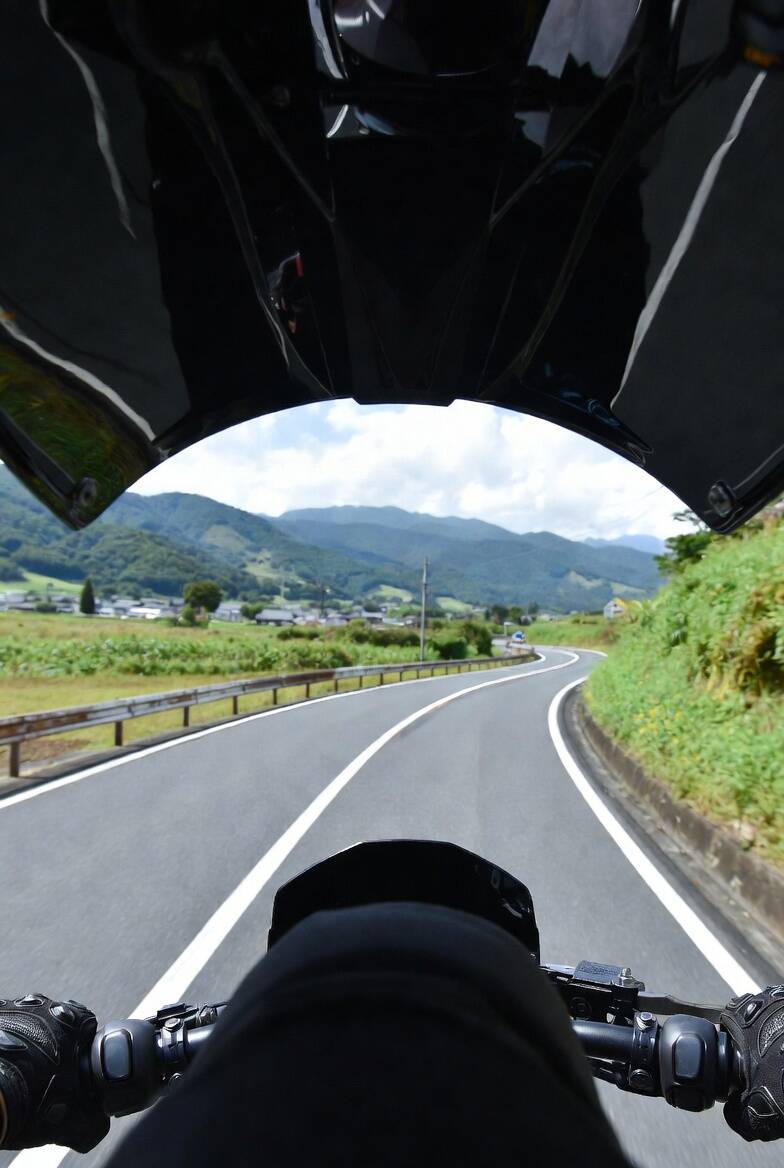
Why does motorcycling activate the brain so much?
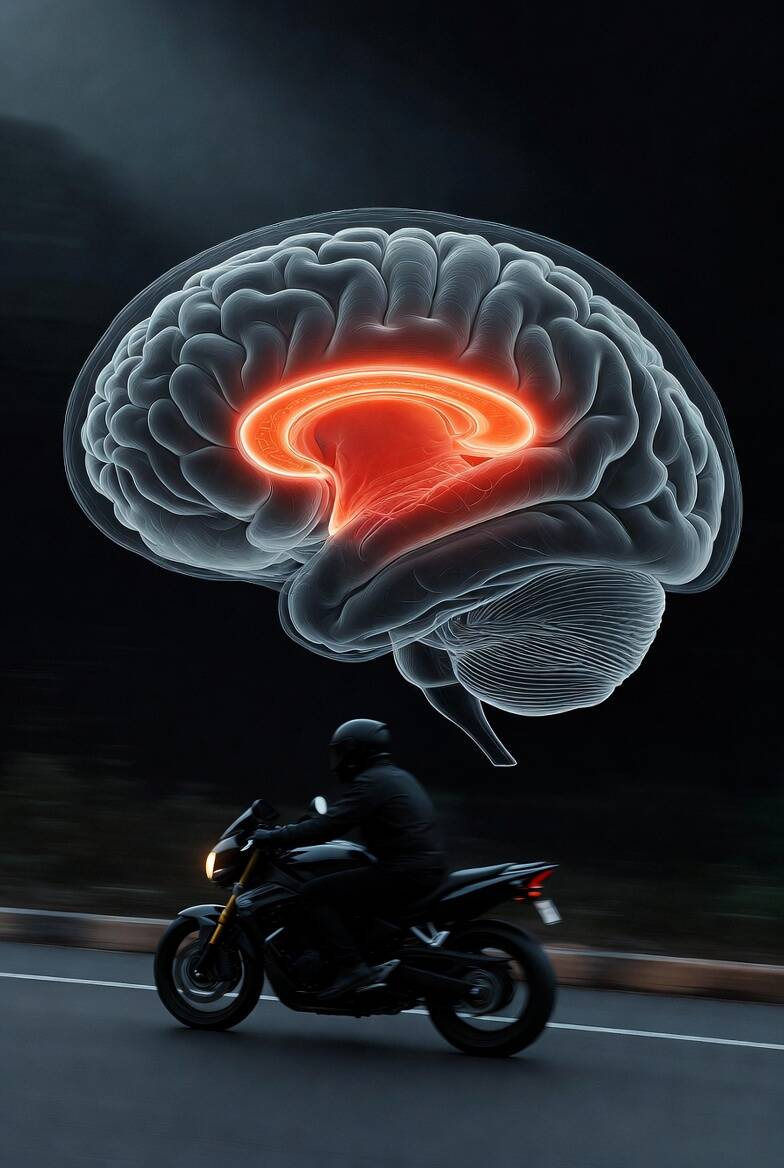
Unlike a car, where the passenger compartment creates a certain isolation, a motorcycle places the rider in a rich and unpredictable environment. The prefrontal cortex, the area of the brain responsible for planning, attention, and emotional regulation, is heavily engaged.
Brain activity measurements have shown significantly greater activation while riding a motorcycle than during other modes of transportation.
Effects that go beyond the brain
Beyond cognitive benefits, motorcycling also offers physical advantages: improved balance, light muscle work, and moderate cardiovascular stimulation. It also helps reduce stress and provides a feeling of mental clarity often described by motorcyclists.
Motorcycling in an increasingly automated world
At a time when cars are becoming more and more autonomous and daily commutes are often monotonous, motorcycling represents a cognitively rich environment that could help maintain brain function, particularly in middle-aged adults.
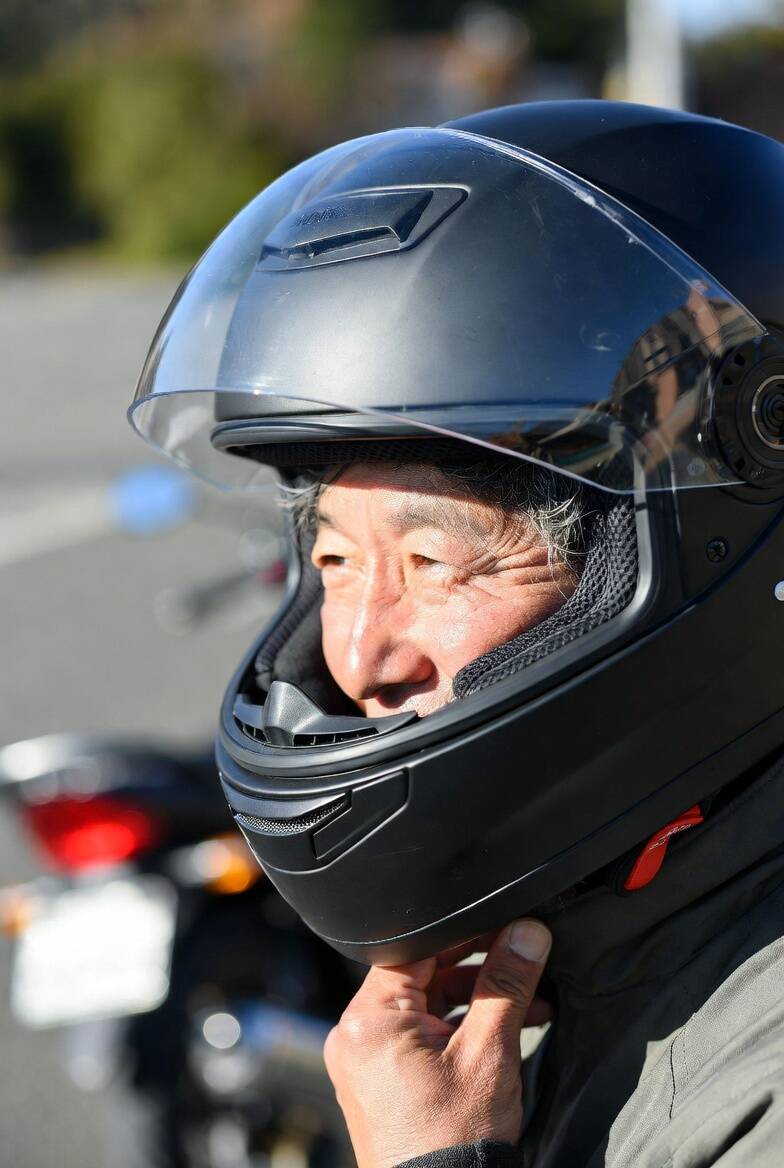
Of course, these benefits should never overshadow safety: appropriate equipment, ongoing training, and respecting limits remain paramount.

Conclusion
The Tohoku University study reminds us that certain activities, such as motorcycling, can be much more than a hobby: they constitute a genuine natural workout for the brain. In a world increasingly simplified by technology, maintaining complex and engaging activities could be one of the keys to successful cognitive aging.
And you, have you experienced these effects of mental clarity after a great motorcycle ride?
Ajouter un commentaire
Commentaires