Filming motorcycle road trips with an action camera (GoPro, DJI Osmo Action 4, etc.) has become essential for many motorcyclists. But between national regulations, GDPR, and safety concerns, it's best to be well-informed. Here's a complete overview of using these cameras in Europe, the conditions for sharing on YouTube, and answers to your most frequently asked questions.
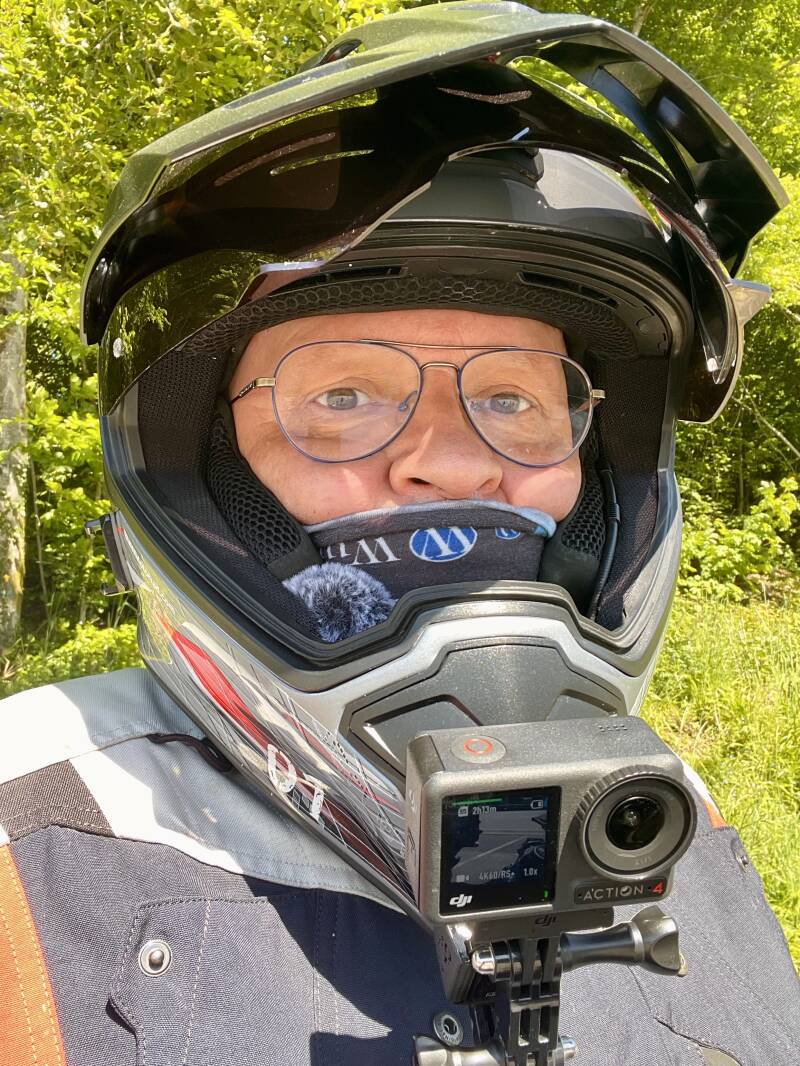
1. Legality of Motorcycle Action Cameras in Europe
There is no single European regulation: it all depends on national road safety and data protection laws.
Permissive countries (recording and personal use generally OK):
• Netherlands, Spain, Italy, United Kingdom, Sweden, Denmark, etc.
Countries with restrictions:
• France: Allowed if the camera does not obstruct the view. Strictly private use recommended.
• Germany: OK, but public broadcasting requires mandatory blurring of faces and license plates.
• Belgium: Private use tolerated.
Very restrictive countries (to be avoided or used with extreme caution):
• Luxembourg, Austria, Portugal: Dashcams (and often helmet cams) are prohibited or severely restricted. High fines are possible. It's best to leave the camera in the top case.
Tip: Always check before crossing borders. A discreet mount on the motorcycle is generally more acceptable than a large, visible one.
2. Mounting the camera on the helmet: good idea or bad idea?
Clear preference: Mount it on the motorcycle (handlebars, tank, or fairing). Reasons:
• Less risk to the helmet's ECE certification.
• Better safety in case of a fall.
• Superior comfort and image stability.
• Easier to justify legally. Helmet mounting is still possible with lightweight adhesive mounts, but it is not recommended for daily use, especially in Luxembourg where the authorities are particularly strict.
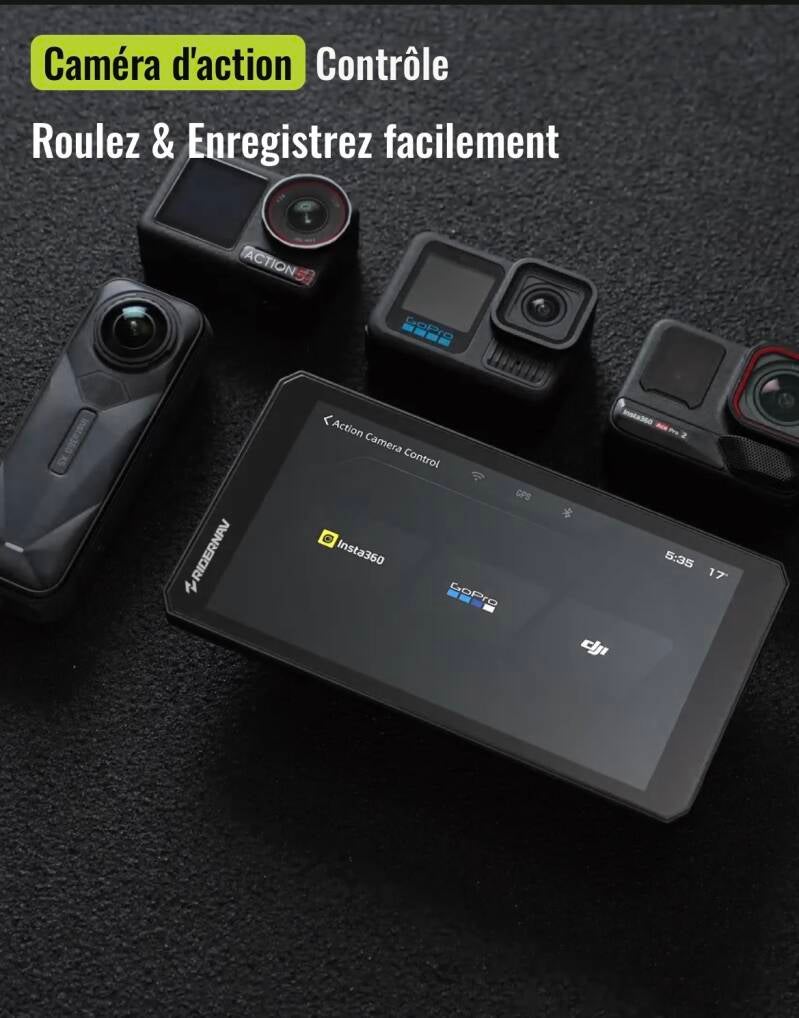
Instead, use a remote control for your camera, or better yet, a RIDERNAV R7M CarPlay screen which allows you to control your camera, and for which you can get a 23% discount using the code ALAINLEBELGE by following the link on my PARTNERS page!
3. The New European Law of July 2026
Since July 7, 2026, the General Safety Regulation (GSR) mandates driver monitoring cameras in all new vehicles. This doesn't directly affect your personal action cameras. There are no major changes for motorcyclists equipped with GoPros or DJI drones, but it does reinforce the culture of data protection in Europe.
4. Publishing Your Videos on YouTube:
YouTube loves motorcycle vlogs, but the GDPR imposes obligations:
• Always blur faces and license plates.
• In France and Germany, prioritize "private" use or heavily edit before publishing.
• Mention in the description that you respect privacy.
Conclusion: Ride Filmed, But Responsibly
Filming your motorcycle remains an excellent way to share your passion, provided you prioritize safety and respect for privacy. Mount your camera on the motorcycle, blur your videos, and check the rules of the country you are traveling through. With a little preparation, you'll avoid unpleasant surprises.
And you, what's your favorite camera and your favorite riding destination? Share in the comments!
Ajouter un commentaire
Commentaires