It is often thought that the danger of slipping on a motorcycle is limited to winter or damp mornings. However, there is a particularly treacherous phenomenon that can occur in the middle of July: summer black ice.
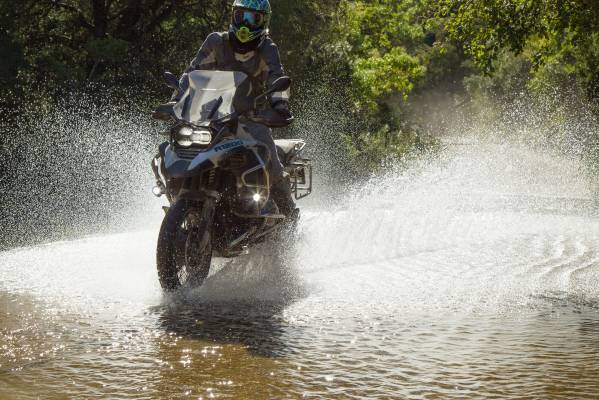
When a period of intense heat is interrupted by a sudden downpour, driving conditions become critical. Here's why you need to be extra vigilant.
The mechanism: why does it become slippery?
After several days of intense heat, the road surface accumulates various substances: tire rubber residue, dust, pollen, and above all, hydrocarbon deposits (oils and fuels that leak from engines and become trapped in the pores of the asphalt).
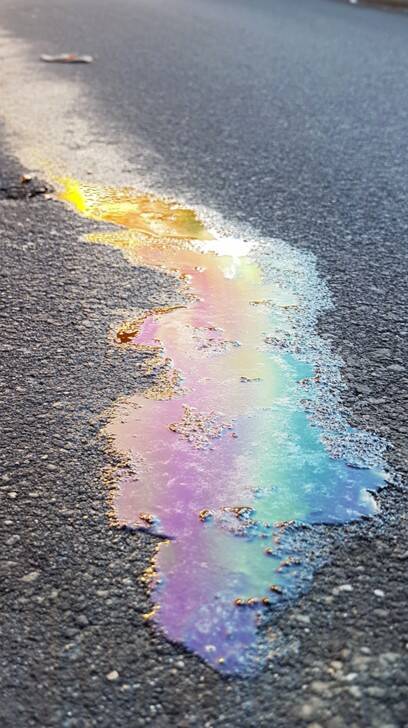
In dry weather, these elements are "stuck" to the ground by the heat. When rain starts to fall suddenly after a long dry spell:
1. The emulsion effect: The first drops of water don't immediately clean the road. They mix with oils and dust to form a greasy, soapy film.
2. Lack of absorption: The overheated, dry asphalt doesn't absorb water instantly. The layer of liquid remains on the surface, creating a truly slippery film.
It's this mixture that turns the road into an ice rink: the infamous summer black ice.
Areas of maximum risk
• Intersections and traffic lights: Where vehicles stop and spill the most hydrocarbons.
• Sharp turns: Where centrifugal forces on a slippery surface are unforgiving.
• Road markings: White lines become like bars of soap, much more slippery than the asphalt itself under these conditions.
My tips for staying in control

If you are caught in a downpour while the asphalt is scorching hot:
• The 15-minute rule: This is the critical time. Right after the downpour begins, traction is at its lowest. If possible, pull over in a safe place and wait until the rain has had time to "wash" the road.
• Absolute smoothness: Avoid any sudden movements. No reflex braking mid-corner, no harsh acceleration. Control your throttle extremely smoothly.
• Look far ahead: Don't stare at the ground in front of your wheel. Anticipate the trajectory and look for areas where water is pooling.
• Tire management: Make sure you have the correct tire pressure. An underinflated or excessively worn tire will not be able to properly evacuate this oily mixture.
In short:
The first rain after a heatwave is much more dangerous than a light autumn rain. Stay humble when facing the road, and if the asphalt starts to shine suspiciously, slow down.
Ride Safe
Ajouter un commentaire
Commentaires